DSA for the age of AI
Learning data structures and algorithms is for the part of the job that doesn't get automated.
An engineering-grade system for mastering data structures and algorithms: step-by-step memory tracers, dual-runtime browser sandboxes, and automated Socratic code coaching.
24 modules · 220 lessons · 116 problems
Engineers from top teams prepare and master algorithms here
Understand
See it before you solve it.
See memory mutate before writing a line of code. Step through frame-by-frame execution tracers, watch pointer movements, and explore topological concept maps.
Learn
Step-by-step execution tracers displaying pointer movements and live call stacks.
Map
Interactive concept topology mapping pattern relationships, prerequisites, and trade-offs.
Open the mapBuild
The code is cheap now.
Judgment isn't.
One problem through all three: find two numbers in [5, 3, 8, 1, 4, 7, 9] that add up to 16. Write it, let the coach catch a broken draft, then make it fast.
Code
Dual-runtime in-browser sandbox. Solve in Python or JavaScript with zero install.
Review
Automated Socratic coach that diagnoses failing edge cases without leaking solutions.
Optimize
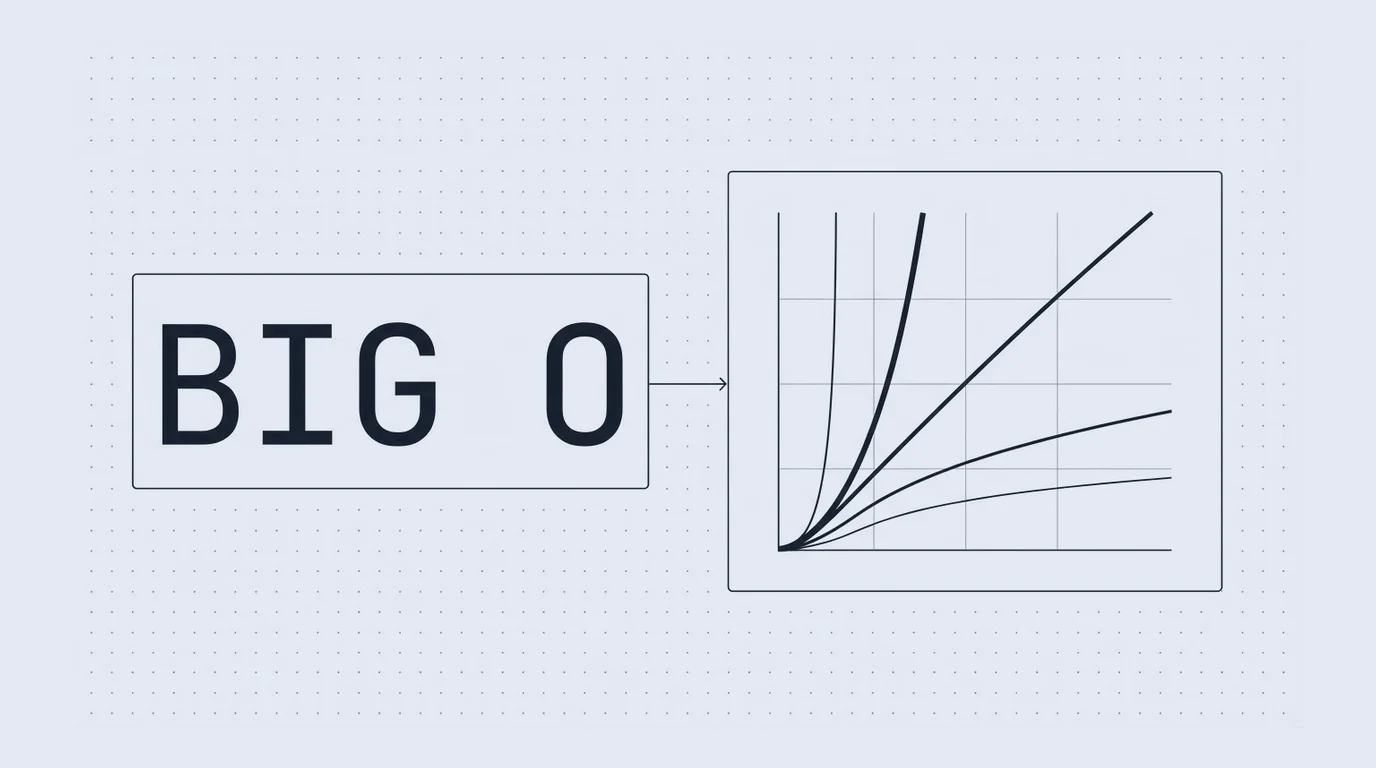
Interactive Big-O observatory to benchmark asymptotic cost and time/space complexity.
Keep
Come back tomorrow.
Drill the entire catalog with zero-latency test runners, review high-density cheatsheets before interviews, and log consistent daily heat.
Practice
116 problems curated with live unit tests and zero-latency execution.
Burn
Daily contribution-style persistence calendar tracking cadence, consistency, and active streaks.
Earn credits for consistent heat.
An example year: 178 days practised, longest streak 13 days
The course
What's inside.
24 modules · 220 lessons · 116 problems, each one runnable in Python and JavaScript.
Zero setup, zero configuration. Interactive execution tracers, Socratic code coaching, and high-density interview cheatsheets — all running natively in your browser.
- Stage 0FoundationsHow the course works, and the analysis toolkit every later module leans on.
- +First-principles invariants
- +Zero-install interactive execution
- +Asymptotic edge case proofs
3 modules · 19 lessonsOpen - Stage 1Linear StructuresThe core containers — how they sit in memory and what their operations really cost.
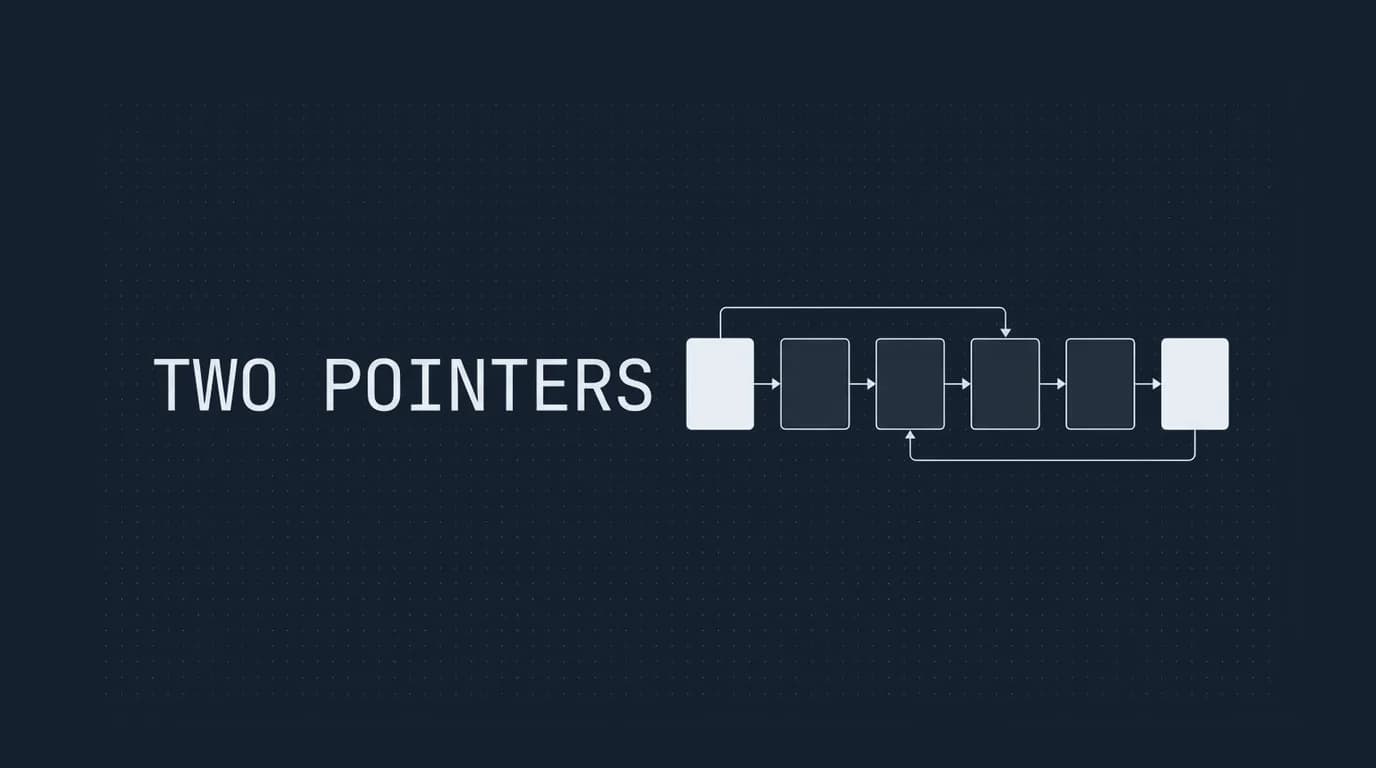
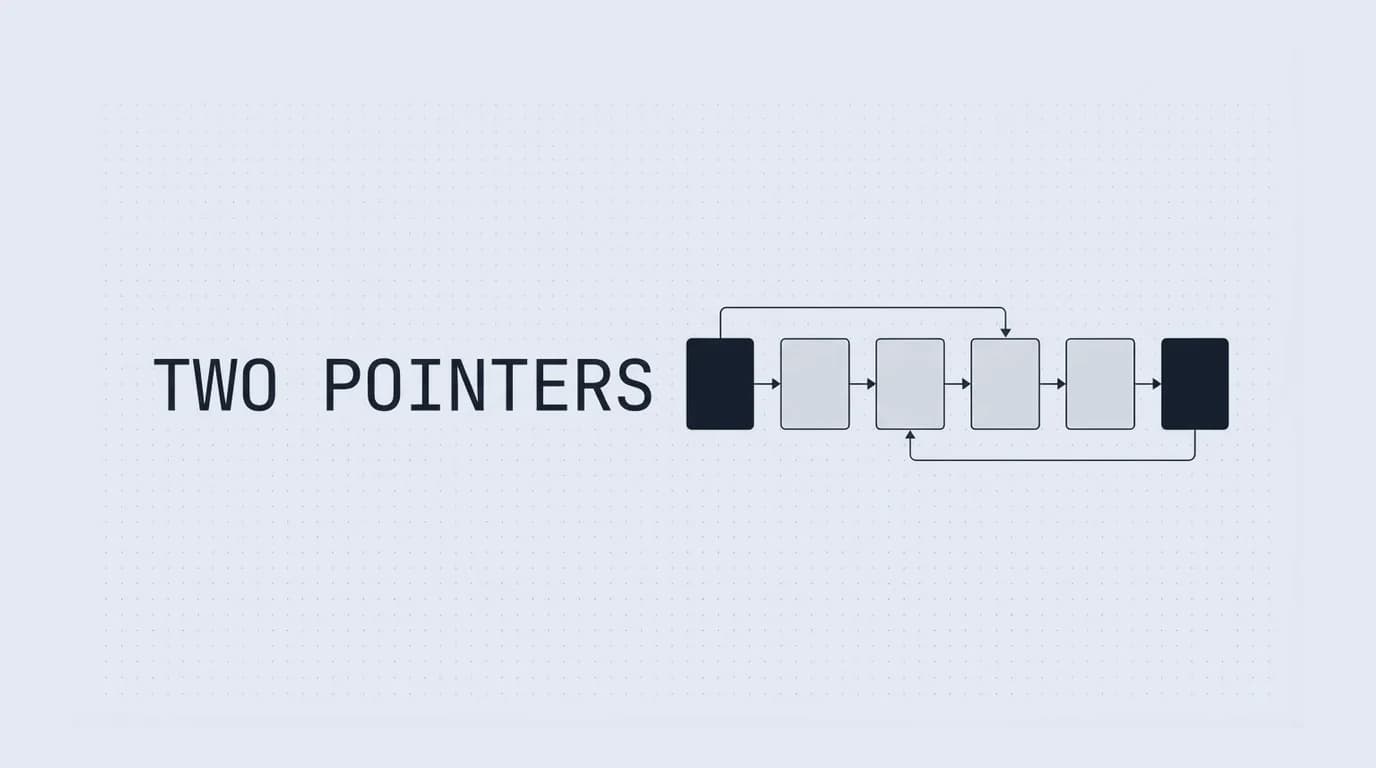
- +Pointer arithmetic & two-pointer technique
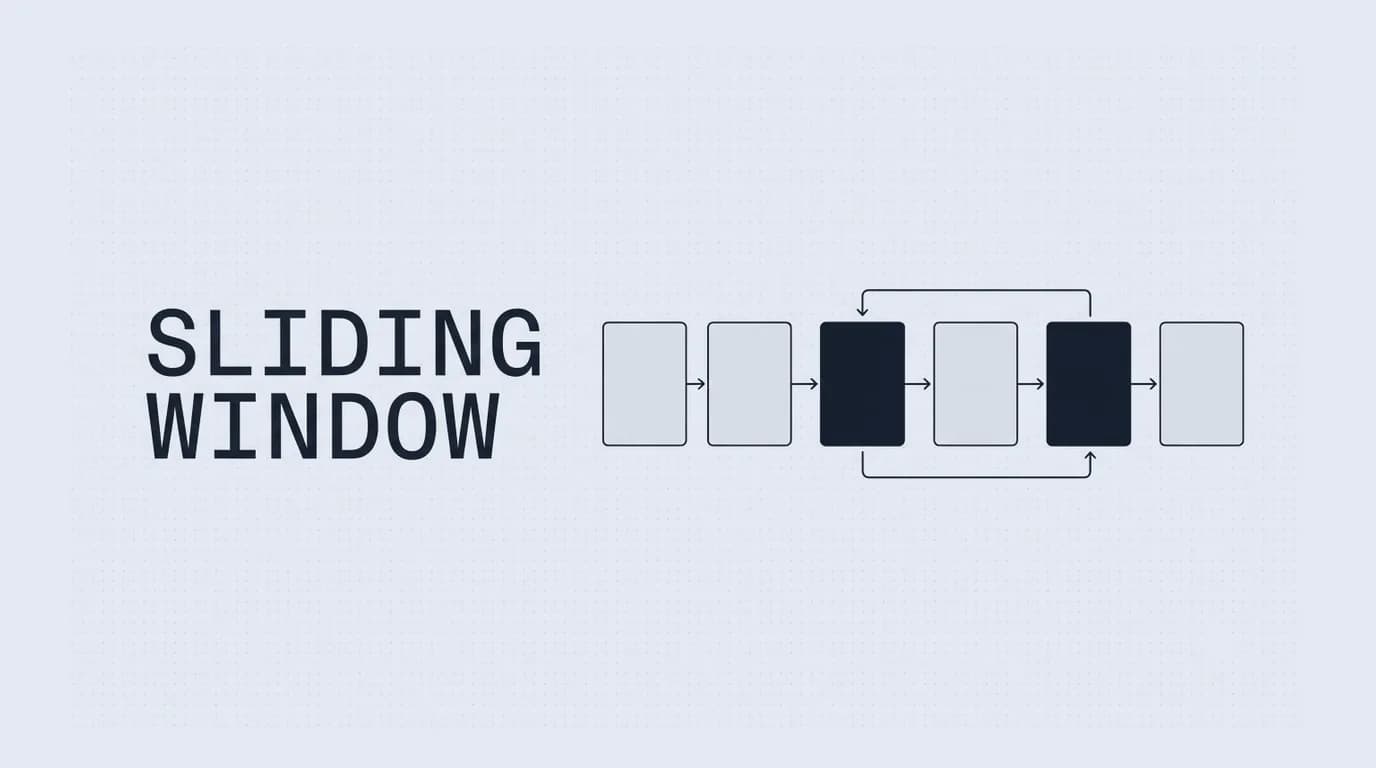
- +Sliding window dynamic state
- +In-place memory mutations
6 modules · 57 lessonsOpen - Stage 2Techniques on Linear DataAlgorithmic techniques that turn quadratic scans into linear or logarithmic work.
- +Recursion tree unwinding & call stacks
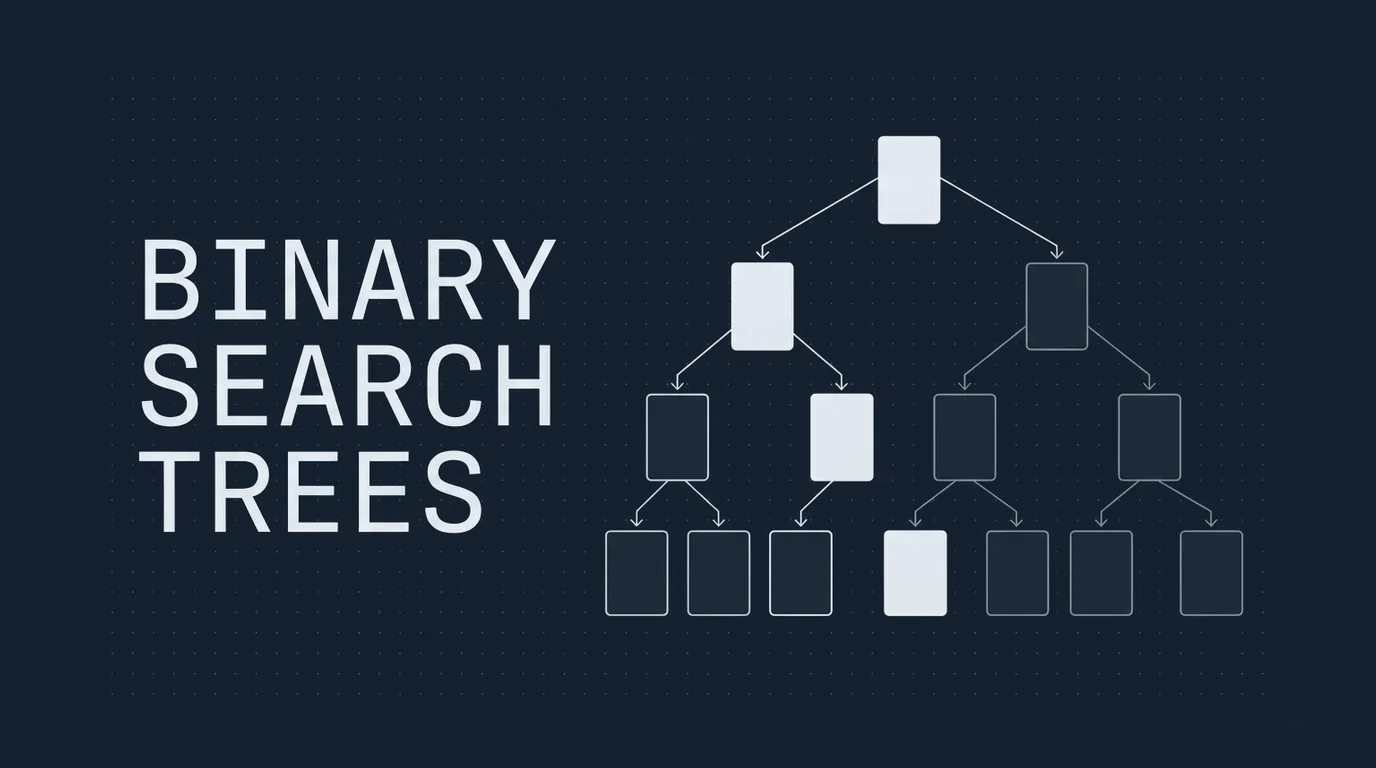
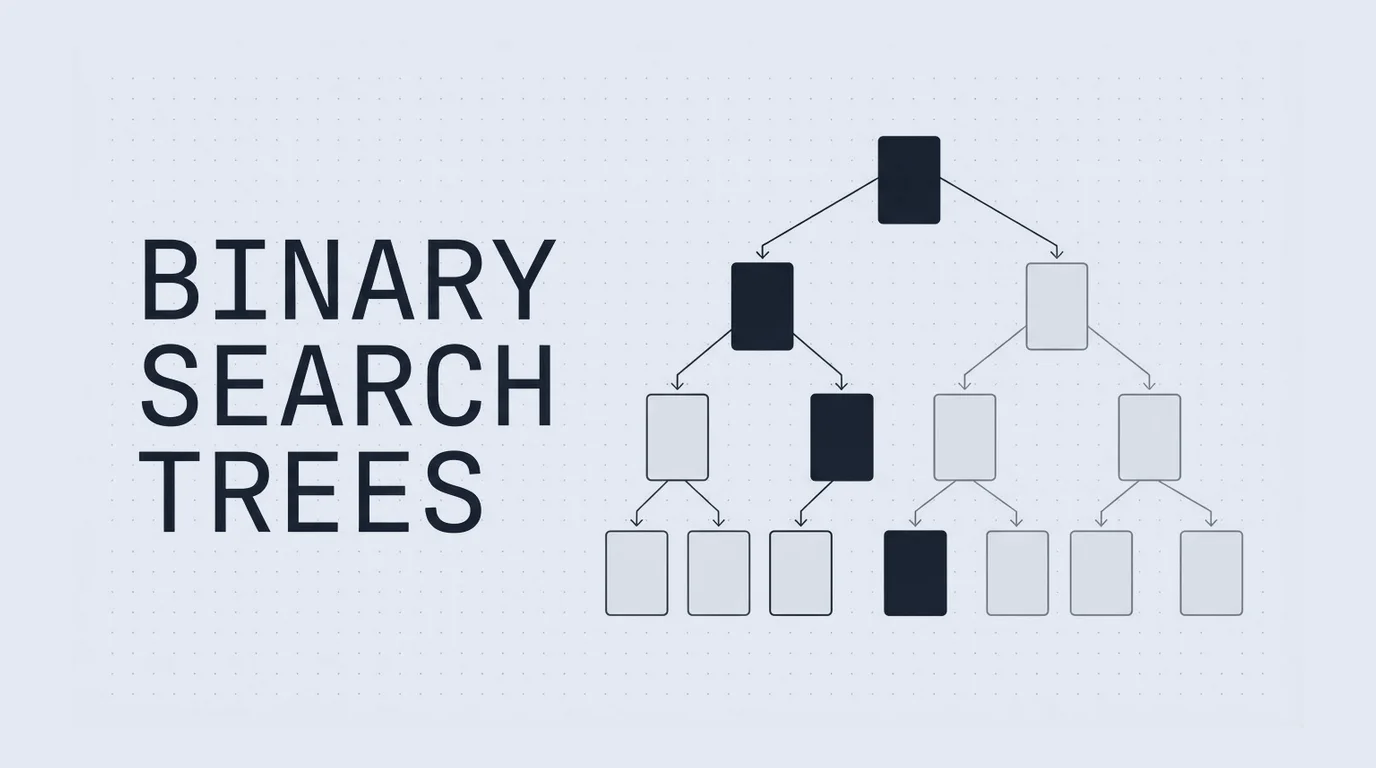
- +Binary search partitions & bifurcations
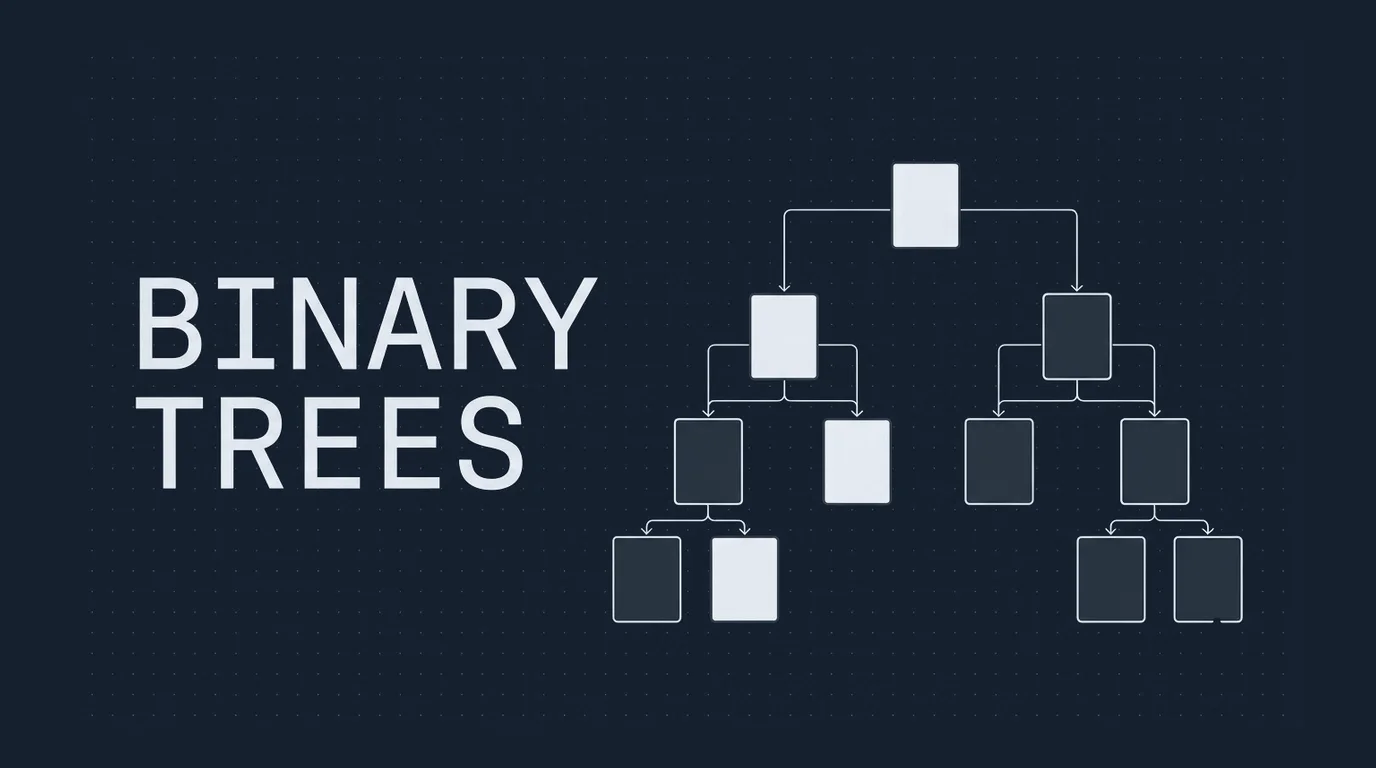
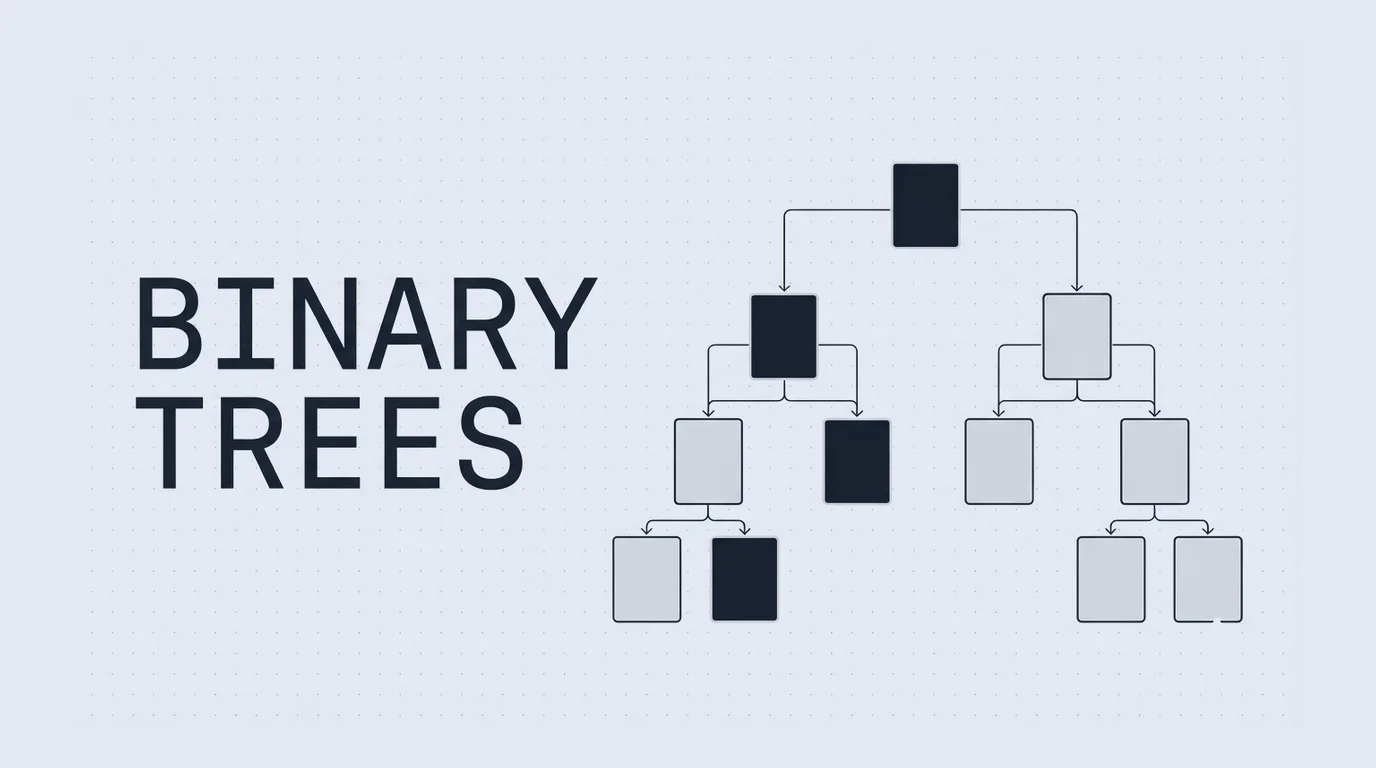
- +Tree traversals & balancing invariants
6 modules · 54 lessonsOpen - Stage 3Recursive & HierarchicalRecursion as a tool, then the tree-shaped structures built on it.
- +Graph cycle detection & topological sorts
- +Dynamic programming state transitions
- +Memoization tables & DAG traversals
5 modules · 46 lessonsOpen - Stage 4Global ReasoningProblems where the answer depends on the whole input — greedy proofs, graphs, DP.
- +Monotonic stacks & priority heaps
- +Bitwise arithmetic & segment trees
- +Hard FAANG-calibrated problem sets
4 modules · 44 lessonsOpen












Pricing
Start free. Pay as you learn.
Start with full access to foundational modules. When you're ready to accelerate your interview preparation or engineering craft, unlock advanced modules one at a time. No recurring subscriptions or locked tracks.
Learners
Placeholderexample numbers, reviewers and quotes, to be replaced with real ones before launchWhat learners say.
- engineers learningPlaceholder
- 2,400+
- problems solvedPlaceholder
- 18,000
- average lesson ratingPlaceholder
- 4.8 / 5
- Placeholder
Priya RamanBackend engineer “I stopped memorising solutions. When an AI agent outputs a brute-force approach, I immediately spot the bottleneck and restructure it to linear time.”
- Placeholder
Marcus WebbComputer science student “The execution tracers made recursion and backtracking click in an afternoon. Watching the call stack grow and unwind in real time beat every textbook diagram.”
- Placeholder
Aiko TanakaSenior engineer “Every problem forces you to justify asymptotic cost. That discipline permanently upgraded how I review pull requests and design systems.”
- Placeholder
Diego AlvarezFrontend engineer “The coach isolates the failing edge case instead of spoiling the fix. It forces genuine debugging, and the intuition actually sticks.”
- Placeholder
Fatima NoorBootcamp graduate “The sliding window and two-pointer tracers made tricky pointer arithmetic intuitive. Watching state mutate in memory eliminated off-by-one errors.”
- Placeholder
Liam O'ConnorData engineer “The cheatsheets are what I review before staff-level algorithm rounds. Smell, pattern, target bounds, traps. Zero fluff.”
- Placeholder
Sofia PetrovaMobile developer “Testing in Python and comparing in JavaScript caught subtle differences in integer truncation and map hashing.”
- Placeholder
Kwame MensahStaff engineer “I use it to audit what AI coding assistants generate. When you know the exact recurrence relation and target bounds, bad code is obvious immediately.”
Questions
Who is it for?
Engineers preparing for top-tier technical interviews, systems developers mastering algorithmic intuition, and engineers using AI daily who need to verify, optimize, and audit generated code with confidence.
Does it help with interviews?
Directly. Every problem replicates real interview conditions with rigorous edge cases and strict asymptotic bounds. You don't just write code that passes — you verify target time and space complexity.
Which languages?
Lessons and visual tracers teach in Python and TypeScript. Sandboxes run both Python (via in-browser Pyodide WebAssembly) and JavaScript with instant feedback and comprehensive test suites.
Do I need a CS degree?
No. If you know basic control flow and functions, you are ready. The curriculum starts with memory models, pointer mechanics, and Big-O foundations before advancing to trees, graphs, and dynamic programming.